From Awareness to Action: Advancing Gynecologic Cancer Care
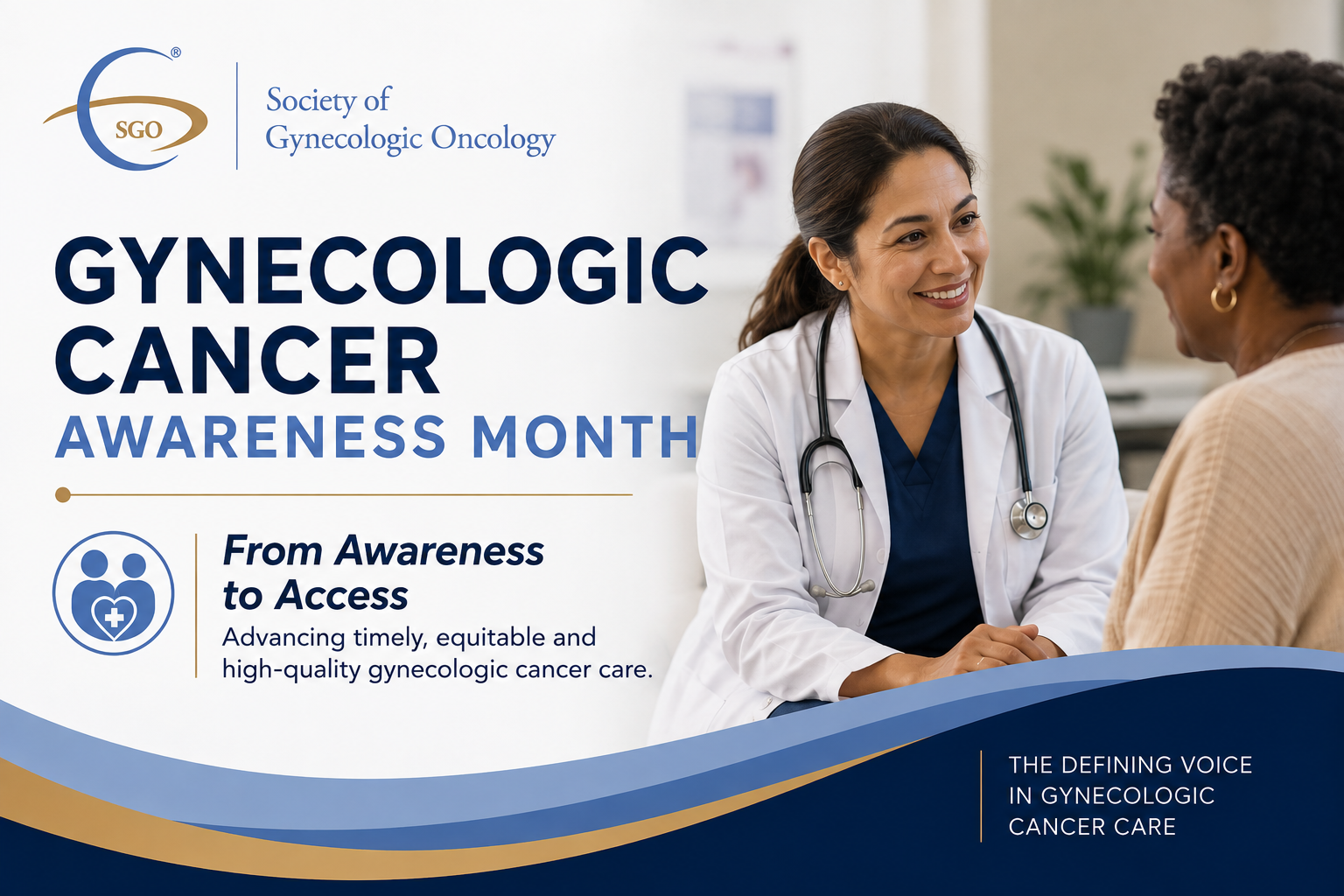
Gynecologic Cancer Awareness Month (GCAM) is an important opportunity to help patients recognize the signs and symptoms of gynecologic cancers, understand their risks and know when to seek care. But awareness is only the first step.
For the gynecologic oncology community, GCAM is also an opportunity to ask: What happens after a patient seeks care, and what can we do to help improve that experience?
Start Within Our Own Practices
Patients may encounter barriers at many points along the path from symptoms to diagnosis and treatment, including delays in referral, difficulty accessing specialists, barriers to recommended genetic or molecular testing, and administrative challenges that can slow access to care.
This GCAM, consider where those barriers may exist within your own practice, institution or community:
- Review referral pathways. Where are patients experiencing delays in reaching gynecologic oncology specialists or other appropriate services?
- Identify barriers to recommended testing. Consider whether patients can access appropriate genetic and molecular testing and where gaps may exist. SGO’s Germline and Somatic Testing for Ovarian Cancer Clinical Practice Statement provides recommendations to help clinicians identify appropriate testing and incorporate results into patient care.
- Share current clinical guidance. Help colleagues and care teams stay informed about evidence-based recommendations, including consensus statements addressing health equity, disparities and barriers to cervical cancer care, minimum standards for radiation therapy and minimum quality care standards.
- Address administrative barriers. SGO’s prior authorization letters and dot phrase templates can help care teams navigate common documentation and coverage challenges.
The goal is not simply to recognize that barriers exist, but to identify the ones we can help address within our own practices and institutions.
Extend Your Impact Through Advocacy
Some barriers cannot be addressed within the clinic alone. GCAM is also an opportunity to use our collective voice to support policies that improve awareness and access to gynecologic cancer care.
SGO members can support current advocacy efforts to increase federal investment in endometrial cancer research, raise awareness of gynecologic cancers, and improve patients access to care through participation in SGO action alerts, advocacy and social media campaigns, and encouraging policymakers to address issues affecting patients and the gynecologic oncology community.
GCAM also underscores the importance of continued education among both the public and healthcare providers about gynecologic cancers. Reauthorization and funding for Johanna’s Law can help sustain federal efforts to increase awareness of gynecologic cancer symptoms, risk factors and the importance of early recognition.
Turn Awareness Into Action
Awareness matters. But what happens after someone recognizes a symptom and seeks care matters just as much.
This GCAM, consider one step you can take within your practice, institution or through advocacy to help make the path to timely, high-quality gynecologic cancer care clearer and more accessible.
Take action this GCAM: Explore SGO’s clinical and advocacy resources and identify how you can help advance access to high-quality gynecologic cancer care.