Building the Future of Gynecologic Oncology: How SGO’s LEAD Program Supports Emerging Leaders
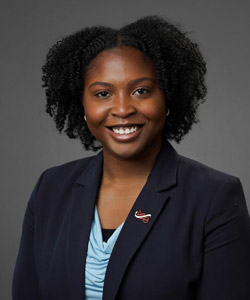
Krystal Magwood, MD
April marks National Minority Health Month, a time to reflect on the importance of improving health outcomes in communities that continue to face disproportionate burdens of disease. In gynecologic oncology, those disparities are especially visible. Black women experience higher mortality rates from several gynecologic cancers, underscoring the need for continued research, patient advocacy and a physician workforce equipped to meet the needs of all patients.
Addressing these gaps requires more than scientific progress alone. It also depends on who is shaping the future of the field. When physicians bring a range of perspectives, experiences and insights to the table, it strengthens how care is delivered, how trust is built and how barriers to access —such as limited exposure to the specialty, lack of mentorship pathways and access to professional networks— are addressed.
Programs that expand mentorship and opportunity are a key part of that effort. The Society of Gynecologic Oncology’s (SGO) LEAD (Leadership, Engagement and Action inDevelopment) Program was created to support medical students and residents interested in pursuing gynecologic oncology by connecting them with experienced mentors, research opportunities and a national network of leaders in the field.
For Krystal Magwood, MD, a first-year OB-GYN resident at Howard University Hospital, participating in LEAD has provided exactly that kind of guidance—strengthening her confidence, expanding her professional network and helping her take the next steps toward a career in gynecologic oncology, with a clear commitment to advancing the goals highlighted during National Minority Health Month by working to ensure all patients have access to the care they deserve.
Discovering a Passion for Gynecologic Oncology
Dr. Magwood did not begin medical school planning to pursue gynecologic oncology. Originally from Charleston, South Carolina, she attended the University of South Carolina School of Medicine Greenville. It was during her fourth-year acting internship that the specialty came into focus.
Working closely with two gynecologic oncologists who served a large region of South Carolina, she saw firsthand both the complexity of the field and the impact these physicians have on patients’ lives.
She also noticed something else.
Many of the patients affected by gynecologic cancers looked like her.
Through those clinical experiences, Dr. Magwood learned how gynecologic cancers can disproportionately affect Black women and other underserved communities. The experience sparked both curiosity and purpose, motivating her to pursue additional away rotations to better understand the field.
Those rotations confirmed what she suspected: gynecologic oncology was where she wanted to be.
Finding Guidance Through the LEAD Program
Dr. Magwood first learned about the SGO LEAD Program from a senior resident at Howard who had completed the program the year before. For trainees interested in gynecologic oncology but training at institutions without a dedicated division, the program can be especially valuable.
That was exactly her situation.
At Howard, Dr. Magwood and a colleague were among the only residents actively exploring gynecologic oncology. Without daily exposure to the specialty, building connections and learning what it takes to pursue fellowship can be difficult.
The LEAD Program offered a solution.
Participants receive mentorship from experienced gynecologic oncologists, exposure to the specialty, and guidance on research and career planning. For Dr. Magwood, mentorship was the deciding factor in applying.
As a first-generation physician, she understands how critical guidance can be along the path to medicine and beyond. From preparing for exams to navigating residency and fellowship applications, mentorship provides direction that many trainees may not otherwise have.
The Impact of Mentorship
Through LEAD, Dr. Magwood was paired with Amanda Compadre, MD, Assistant Professor of OBGYN, Oregon Health & Science University, who quickly became an important mentor in her early career.
Their collaboration has already produced meaningful results. Together, they developed a research project that Dr. Magwood hopes will ultimately lead to publication and contribute new insights to the field.
But the mentorship extends far beyond research.
Dr. Compadre has also shared anatomy resources with Dr. Magwood and offered guidance on how to navigate residency while building a competitive fellowship application.
For a first-year resident just beginning to shape her career, that support has made a difference.
The program has also given Dr. Magwood something equally valuable: confidence.
Through conversations with faculty mentors and fellow participants, she has gained reassurance that pursuing gynecologic oncology is achievable.
Building Community and Confidence
Another highlight of the LEAD experience has been the opportunity to connect with peers and faculty across the country.
One session that stood out to Dr. Magwood was the program’s “Day in the Life of a Gynecologic Oncologist,” where physicians shared candid insights about their careers, daily responsibilities and motivations.
For residents who may not yet rotate on a gynecologic oncology service, that kind of exposure can be transformative.
“It gave me early access to perspectives I wouldn’t otherwise have as an intern,” she shared during our conversation.
Equally meaningful has been the peer support within her own institution. Working alongside fellow Howard resident Dr. Benedict Harvey, a previous LEAD participant, Dr. Magwood found someone who understood her interests and could help refine research ideas and career goals.
Together, they have created a small but growing community of future gynecologic oncologists.
Support During Difficult Moments
During the program, Dr. Magwood experienced the loss of a parent to cancer, an event that understandably required her to step away briefly from residency.
She recalls how the LEAD community rallied around her with support and understanding.
That compassion reinforced something she had already noticed about the specialty.
Gynecologic oncology is not only about surgical expertise and scientific discovery. It is also about community, empathy and shared commitment.
Looking Ahead
As her time in the LEAD program concludes, Dr. Magwood is focused on continuing the research project she began with her mentor and building her experience throughout residency.
She hopes the project will eventually lead to publication and contribute meaningful knowledge to the field.
Long term, she plans to pursue fellowship training in gynecologic oncology and continue working toward improving outcomes for patients affected by these cancers.
A Message for Future Applicants
When asked what advice she would give to future LEAD applicants, Dr. Magwood’s message was simple.
“Do not underestimate yourself.”
For trainees who are even considering gynecologic oncology, she believes the program provides invaluable mentorship, community and perspective.
And perhaps most importantly, it reminds participants that they belong in the field.
Why Programs Like LEAD Matter
National Minority Health Month is a reminder that improving health outcomes requires both scientific innovation and intentional investment in the future of the workforce. In gynecologic oncology, progress depends on a physician workforce equipped to meet patients where they are, understand their experiences, and deliver care that is both clinically excellent and deeply informed by the communities they serve.
Programs like SGO’s LEAD initiative play an important role in that effort. By expanding mentorship and opening doors for trainees from a variety of backgrounds, the program helps strengthen a pipeline of physicians who are better equipped to understand patient needs, build trust and improve access to care.
For physicians like Dr. Krystal Magwood, that mentorship is already shaping the future. And for the patients she hopes to treat one day, the impact may be even greater.
Learn More About the LEAD Program
Interested in learning more about SGO’s LEAD Program and how it supports the next generation of gynecologic oncology leaders? Visit sgo.org/education/lead to explore the program and application details.